
The Best Choice: Polyurethane Injected vs. Polystyrene vs. Hollow Garage Doors in Chicago, IL
The True Cost of Cheap Doors: Why Investing in Insulation Pays Off in Chicago, IL.
Garage Door Insulation
Stop Wasting Money: The Ultimate Guide to an Insulated Garage Door in Chicago
Choosing the right garage door isn't just about exterior style—it's about performance, energy efficiency, structural durability, and noise reduction. If you're replacing an old door or building a new home, finding the best insulated garage door Chicago homeowners trust requires understanding the core differences between hollow (non-insulated), polystyrene insulated, and polyurethane injected doors.
In this comprehensive guide, we'll break down the construction differences, R-values, local installation costs, and real-world benefits of each type so you can make the absolute best choice for your property in the Chicagoland area.
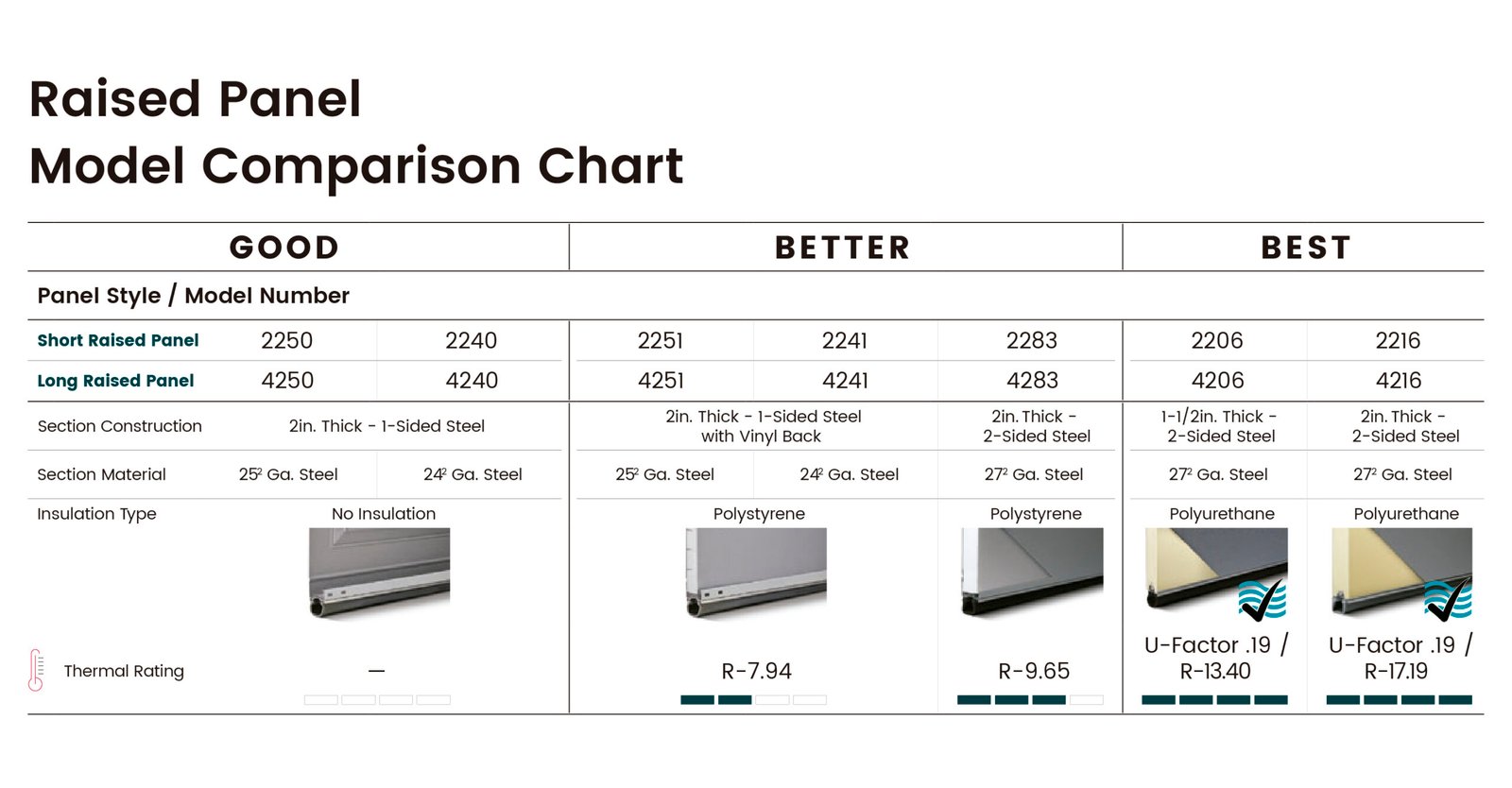
1) Hollow (Non-Insulated) Garage Doors
Hollow garage doors are manufactured from a single layer of steel or aluminum with absolutely no insulation material between the panels. They're the most basic and budget-friendly option on the market, commonly found in detached garages or simple storage buildings where temperature control isn't a priority at all.
Key characteristics:
- Single-layer steel (typically 24–26 gauge thickness)
- No insulation material inside the cavity
- Lightweight and highly affordable
- No R-value (zero thermal resistance against the cold)
- Loud operation—the metal-on-metal contact amplifies noise
2) Insulated Garage Doors (Polystyrene Core)
Polystyrene insulated garage doors feature two layers of steel with a layer of polystyrene foam insulation (similar to Styrofoam) sandwiched firmly between them. This foam is pre-cut to fit precisely inside the door panels, providing excellent basic thermal protection and structural reinforcement.
Key characteristics:
- Two solid steel skins (outer and inner layer)
- Polystyrene foam inserts (pre-cut rigid panels)
- R-value typically ranging between R-6 to R-10
- Noticeably better energy efficiency than hollow doors
- Quieter daily operation and added panel durability
- Excellent mid-range price point
3) Full Injected Insulation Garage Doors (Polyurethane)
Full injected insulation doors represent the absolute highest quality construction available. Instead of inserting pre-cut foam panels, liquid polyurethane foam is injected directly into the door cavity. It expands rapidly to fill every microscopic gap and bonds completely to both steel layers, creating a unified, incredibly strong composite panel.
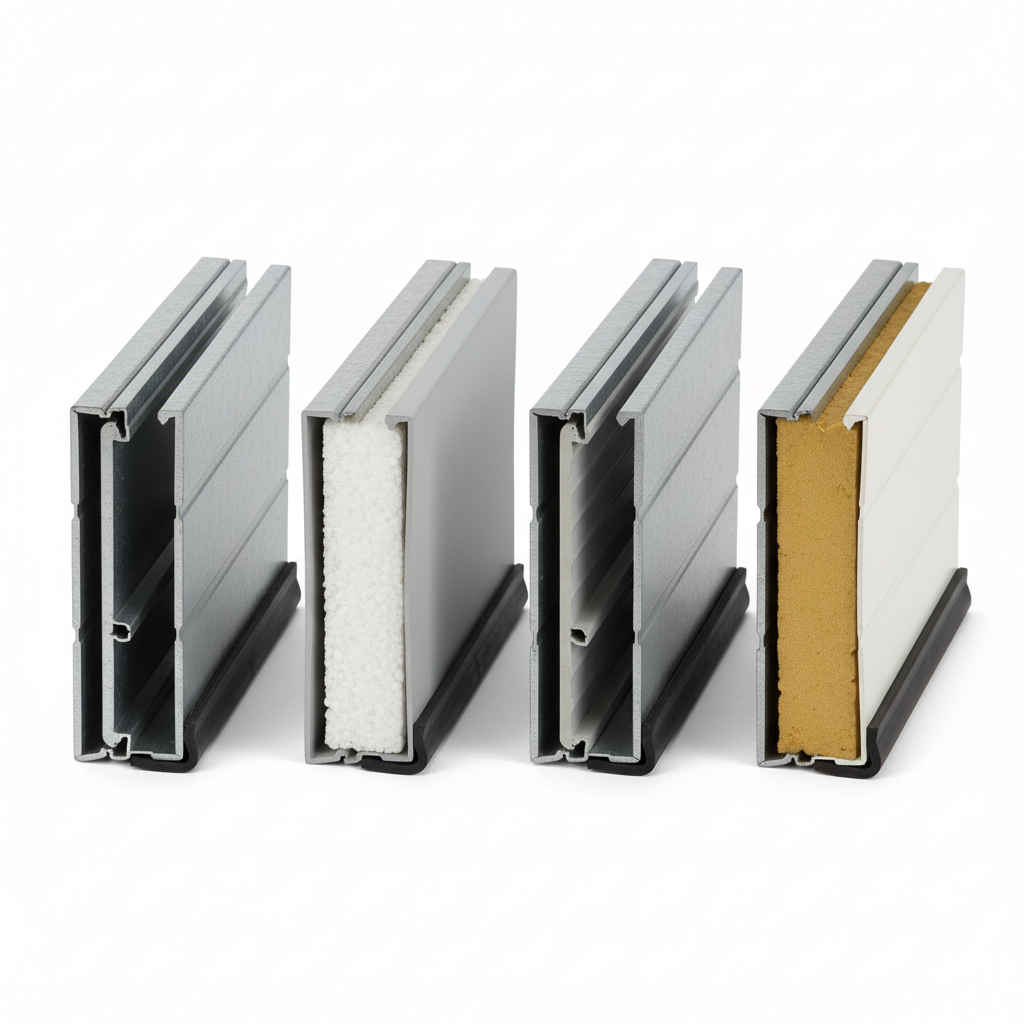
Key characteristics:
- Two heavy-duty steel skins with a complete foam bond
- Polyurethane foam core (superior thermal performance)
- R-value typically ranging between R-12 to R-18.4
- Maximum energy efficiency and strict temperature control
- Quietest possible operation—the dense foam dampens all vibration
- Strongest construction—the foam acts as serious structural reinforcement
- Premium price point but highest long-term ROI
Side-by-Side Comparison
| Feature | Hollow (No Insulation) | Polystyrene Insulated | Polyurethane Injected |
|---|---|---|---|
| R-Value | 0 (none) | R-6 to R-10 | R-12 to R-18.4 |
| Energy Efficiency | Poor | Good | Excellent |
| Noise Level | Very Loud | Moderate | Whisper Quiet |
| Durability | Basic | Good | Maximum Strength |
| Price Range | $ (Lowest) | $$ (Mid-range) | $$$ (Premium) |
The Right R-Value for Chicago's Extreme Climate
R-value effectively measures thermal resistance—the higher the number, the better the insulation material performs. For garage doors, this translates directly to monthly energy savings and indoor temperature stability.
- R-0 (Hollow): Zero insulation. The garage temperature will perfectly match outdoor freezing or sweltering conditions.
- R-6 to R-10 (Polystyrene): Moderate insulation. Reduces winter heat loss by 40–60% compared to standard hollow doors.
- R-12 to R-18.4 (Polyurethane): Maximum insulation. Can reduce total energy costs by 10–20% in attached garages with shared walls.
In Chicago's demanding climate, where temperatures violently swing from below zero in January to well over 90°F in the summer, a higher R-value helps maintain comfortable, stable temperatures year-round, protecting stored items, your vehicle's battery, and reducing the heavy strain on your home's HVAC system.
Beyond Temperature: Other Benefits of Insulated Doors
Significant Noise Reduction
If your garage shares a direct wall with living spaces or bedrooms, insulated doors drastically reduce operational noise. Polyurethane-injected doors actively absorb vibration and dampen the harsh sounds of the opener motor, tension springs, and metal rollers.
Structural Strength
Insulation—especially dense polyurethane—bonds tightly to both steel layers, creating a rigid composite panel that brilliantly resists denting from stray basketballs, bicycles, or severe hail. Hollow doors dent incredibly easily and often require full panel replacements after very minor impacts.
Moisture and Condensation Control
Insulated doors drastically reduce condensation buildup on the interior surface during our humid summers and wet winters. This proactive protection helps prevent rust on your stored tools, vehicles, and the door's own metal hardware.
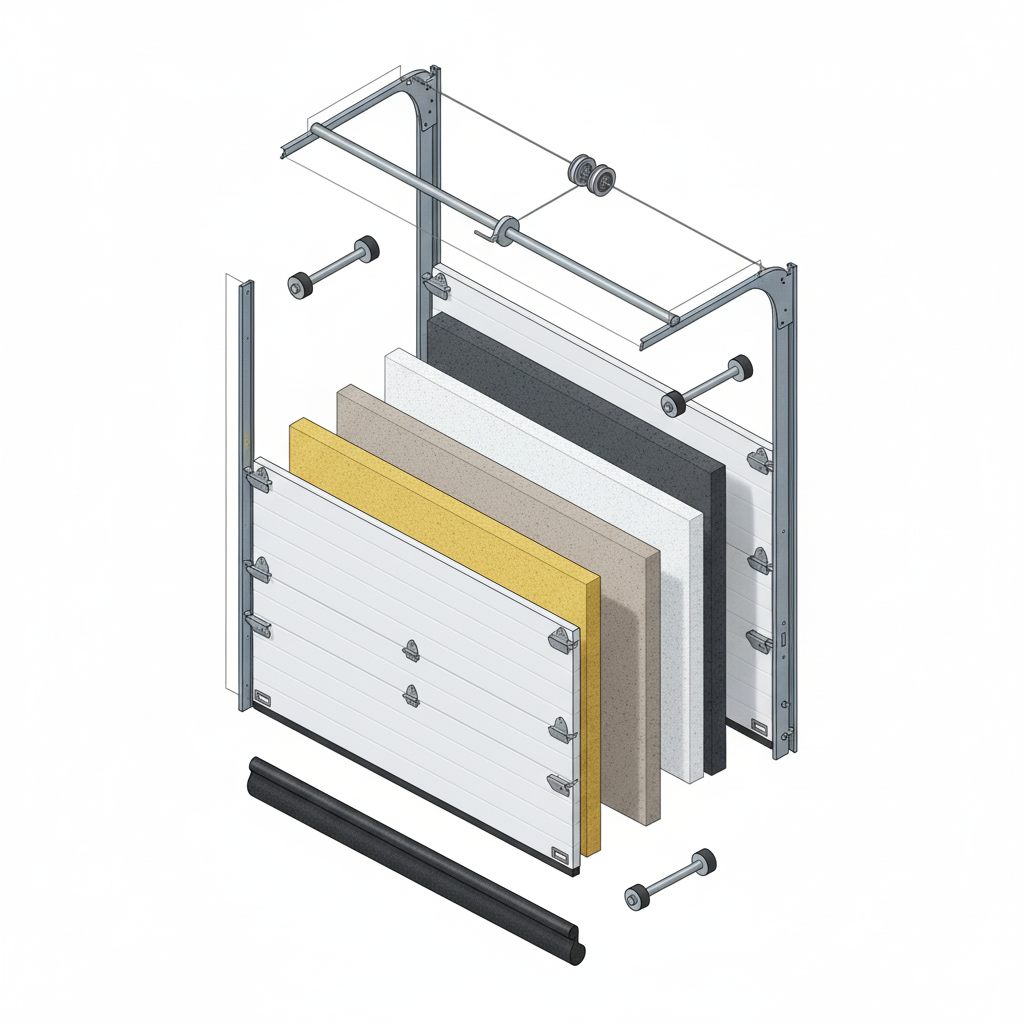
Cost vs. Value: Is the Upgrade Worth It?
While insulated and injected doors undeniably cost more upfront, they deliver highly measurable long-term value:
- Energy savings: A heavily insulated garage door can reduce heating and cooling costs for adjacent rooms by up to 20% annually.
- Durability: Insulated doors last much longer due to reinforced construction and better protection from temperature-related metal fatigue.
- Home value: Premium insulated garage doors immediately improve curb appeal and serve as a strong selling point for energy-conscious home buyers.
For the vast majority of attached garages in the Chicago metro area, the initial investment in at least polystyrene insulation fully pays for itself within 5–7 years through lowered energy bills and reduced maintenance.
Get Expert Advice from AL Garage Doors
Still not entirely sure which insulation level is right for your home? Our expert team provides free on-site consultations in Chicago and all surrounding suburbs. We will assess your specific garage setup, discuss your climate-control priorities, and recommend the absolute best door type for your needs and budget.
Call (773) 757-8067 or request a free quote online for professional garage door installation, replacement, and honest consultation across Chicagoland.