
Garage Door Maintenance
Maximize Safety and Savings with a Professional Garage Door Tune-Up
Extend the lifespan of your system and prevent expensive emergencies with essential annual garage door service.
Your garage door is likely the largest moving part of your home and one of the most frequently used. We rely on it every single day for convenience and security, but most homeowners wait until something visibly breaks or the door gets stuck before calling a professional.
Just like your car, your complex residential garage door system requires periodic maintenance to ensure safety, reliability, and a long lifespan. Scheduling a professional garage door tune-up is not just a good idea—it’s an essential part of responsible and cost-effective homeownership.
The “When”: How Often Should You Get a Tune-Up?
The general rule of thumb for garage door maintenance is at least once a year. However, the exact frequency can depend on how you use your garage.
- Annual Check-Up: For most homeowners with typical usage, an annual professional garage door tune-up is the perfect frequency to catch minor issues before they become major problems.
- High-Usage Homes: If you use your garage door multiple times a day (like a busy family or a home office where the garage is accessed often), consider a tune-up every six months.
- New Homes: Even brand-new doors benefit from an inspection after the first year to ensure all components have settled correctly.
- Seasonal Timing: It’s often best to schedule your maintenance appointment right before a season of extreme weather—like late fall before winter or early spring before summer.
Signs You Need a Tune-Up Immediately
Even if you haven't hit your annual mark, certain symptoms indicate your door needs immediate professional attention:
- Excessive Noise: Grinding, squeaking, or rattling sounds mean parts are rubbing together or lack lubrication.
- Slow Operation: If the door hesitates or moves sluggishly, the opener motor might be struggling against poorly tensioned springs.
- Uneven Movement: A door that jerks or sits slightly crooked is unbalanced and can cause severe damage to the tracks.
The “Why”: 4 Key Benefits of Garage Door Maintenance
Why invest in a professional garage door tune-up? The reasons boil down to safety, savings, and long-term performance.
1. Maximize Safety and Security
Your garage door operates under immense pressure, particularly the springs and cables. If these components fail, they can cause serious injury or property damage. A professional tune-up includes a thorough safety sensor test and inspection of the entire system, ensuring:
- Auto-Reverse Mechanism is working correctly to prevent crushing hazards.
- High-Tension Springs are in good condition and properly balanced.
- Cables show no signs of fraying or excessive wear.
2. Prevent Expensive Repairs and Replacement
A tune-up is proactive care. During the service, a technician will identify and fix small issues like loose bolts, minor misalignments in the tracks, or dry, worn rollers.
These small, affordable adjustments prevent unexpected emergencies that often require costly parts replacement.
3. Ensure Peak Performance and Extend Lifespan
By addressing minor performance issues early, you not only enjoy quieter and more reliable operation but also extend the overall lifespan of your entire opener and door system. A well-maintained system doesn't have to work as hard, saving wear and tear on the motor.
4. Maintain Your Warranty
Many manufacturers require proof of regular professional maintenance to keep your warranty valid. Scheduling an annual service appointment helps protect your financial investment and ensures you are covered if a major component fails prematurely.
What a Professional Tune-Up Includes
When you schedule a service, you can expect a comprehensive checklist of inspections and adjustments, typically including:
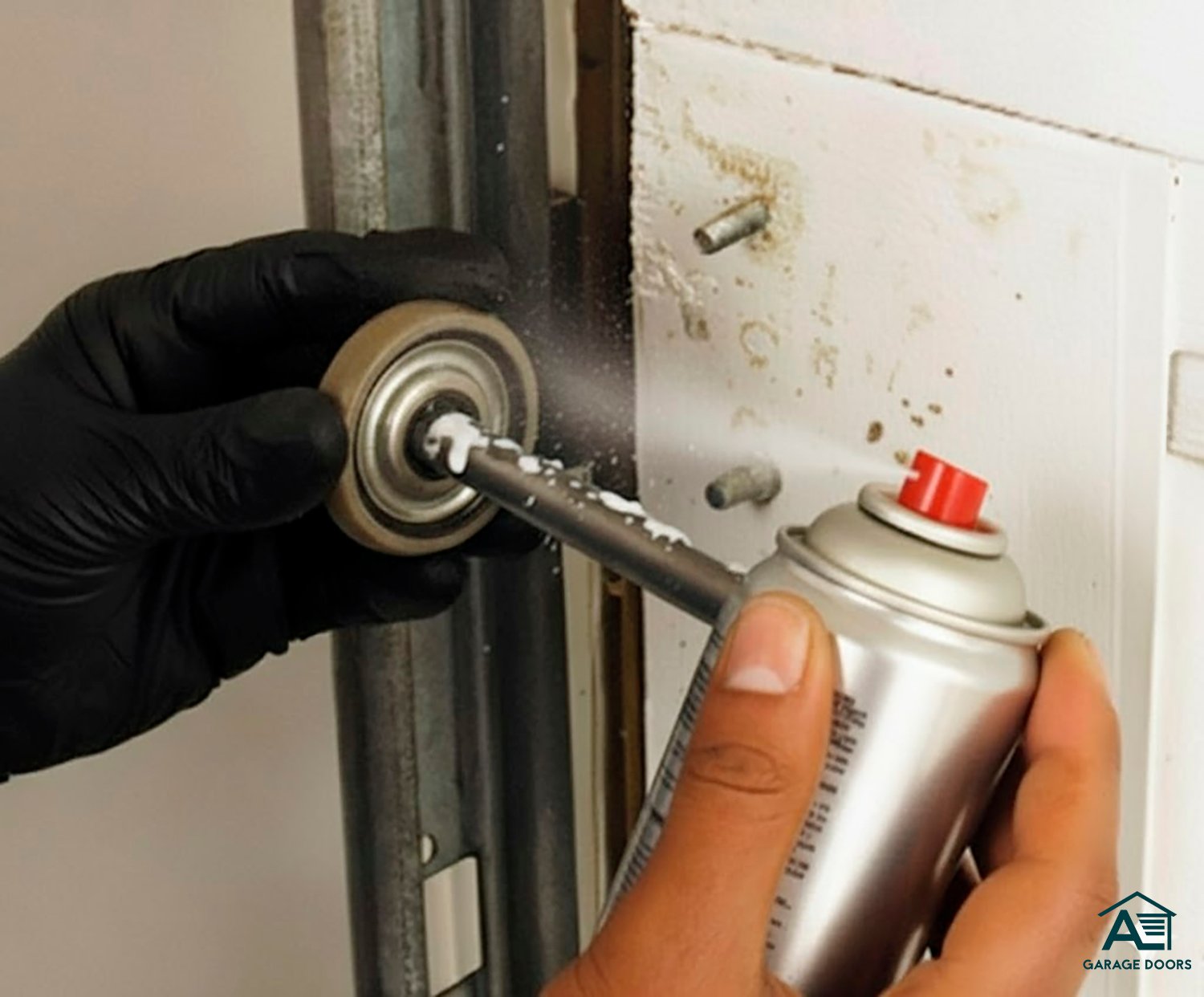
- Lubrication of all moving parts (rollers, hinges, springs, bearing plates).
- Testing and adjusting the door’s balance and alignment.
- Tightening all nuts, bolts, and brackets.
- A complete safety check of the auto-reverse system and sensors.
- Inspection of springs, cables, and tracks for wear or damage.
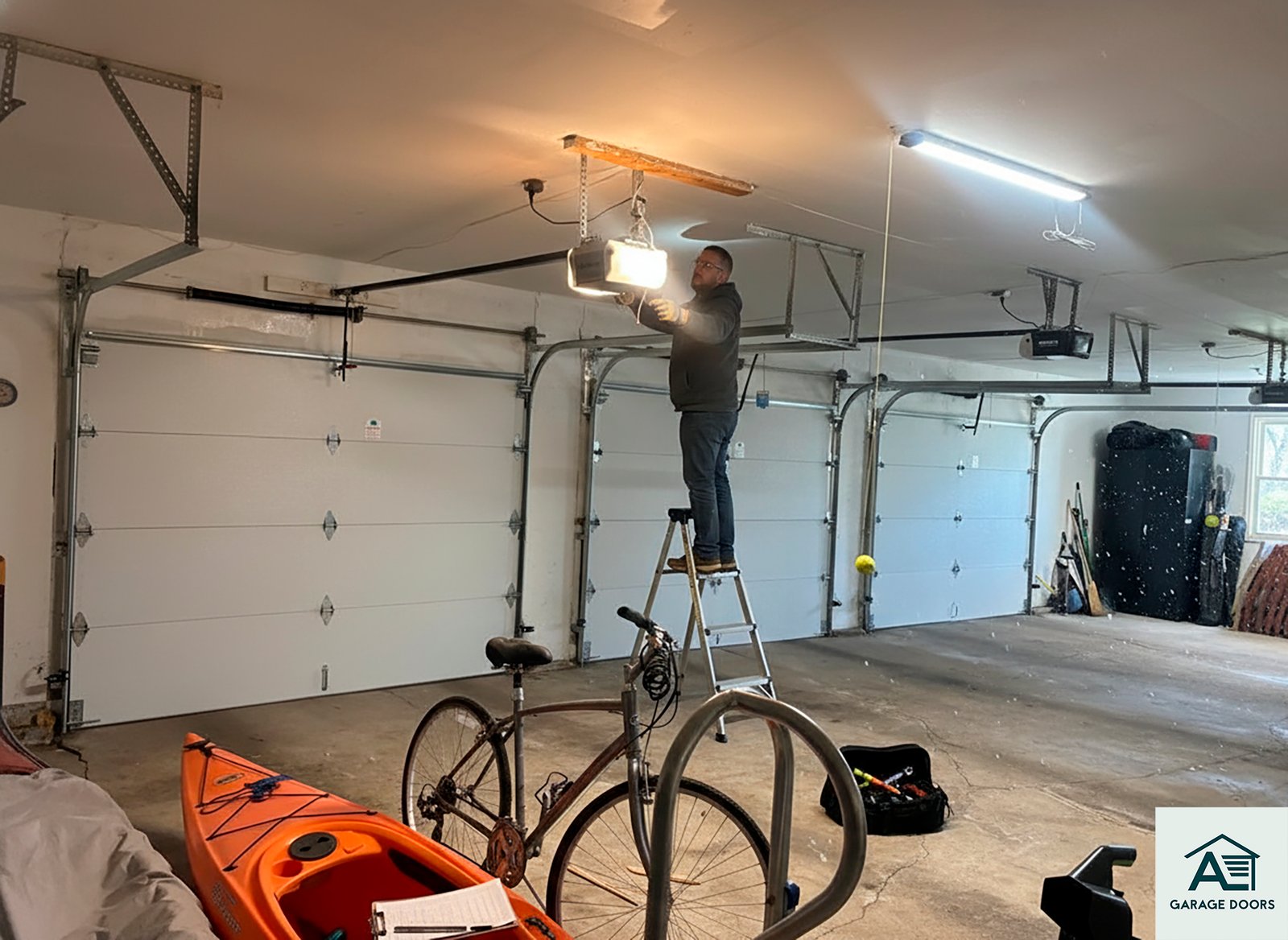
- Reviewing the opener chain/belt and motor performance.
Get an Expert Opinion
Contact us for a professional, no-pressure inspection anywhere in Chicago and nearby suburbs. Call (773) 757-8067 or request a free quote online.